Nanotechnology Jobs & Education
|

By Pamela Bailey
President tinytechjobs
|
Nanotech fever is rising. For those of you who have caught the "bug" and want to pursue a career or get an education in nanotechnology, this article will provide some basic information and tips.
Nanoscience and nanotechnology are at the intersection of biology, engineering, medicine, physics, and chemistry. As a result, research and development at the nanoscale are very interdisciplinary. This means that individuals have the opportunity to choose engineering or research jobs and career paths in fields as diverse as biomedical and biotechnology, MEMs/NEMs, microfluidics, material science, optoelectronics, energy and the environment, pharmaceuticals/cosmetics, and microelectronics.
Where are the jobs?
Right now the need for qualified nanotechnology employees comes from:
- Established industries such as microelectronics, information storage, and optoelectronics that have traditionally used microtechnology and are expanding research into smaller and smaller technology, structures, and devices.
- New industries that have been created as a result of nanotechnology: nanotechnology materials and coatings, nanotechnology structures (crystal, wires, tubes, etc.), MEMS/NEMS, nanobiotechnology, nanoelectronics, microfluidics, and others.
- Major industries such as the chemical, pharmaceutical/biotech, energy, aerospace and transportation, and many other industries that are now beginning to see the promise of nanotechnology.
- The many research, nanofabrication, foundry, and user facilities funded by the National Nanotechnology Initiative.
How do you find these jobs?
As mentioned above, nanotechnology itself is very interdisciplinary. People working in nanotechnology will have skills and qualifications ranging from molecular biology and biochemistry to physics to chemistry to electrical and mechanical engineering. And companies hiring people with nanotechnology skills can be from industries such as the automobile, chemical, pharmaceutical, electronics, energy or any number of other industries.
To find these jobs:
- Define the type of job you are looking for and make a list of target companies who might hire people for that or related jobs.
- Prepare a CV that outlines your skills, qualifications, and experience for the target job (be sure to use appropriate keywords so that the Applicant Tracking Systems will retrieve your CV electronically). Prepare a nicely formatted resume, as well as a plain text version that will look good when pasted into a form on an employment web site. Include all relevant publications and references.
- Perform an Internet search on tinytechjobs.com or WorkingIn-Nanotechnology or other appropriate niche web sites (1) to find posted jobs from your list of target companies or other companies that are actively recruiting for the type of jobs you've identified and apply for them.
- Perform a keyword search on one of the major search engines based on job skills you've identified for your target jobs. Take note of any of the organizations, companies, or job sites that pop up in this search.
- Network, network, network. Go to relevant local events and conferences. Join professional associations such as ACS, IOP, IEEE, ASME, ASM, or ones relevant to your specific discipline. Go to meetings--meet people who are working within your identified target job market. Talk to them. Ask them if they know of any openings.
- Don't forget to check out the resources in your university or alumni career center and you can also visit the career resources sections of many professional associations.
- Join online networking communities such as LinkedIn.com to expand your list of contacts into your targeted companies.
- Visit the blogs.
- Tap into the whole academic research network. Nowadays, industry and academia are forging more and more partnerships and alliances. Often, new hires in industry, as well as postdoctoral positions, will come from this network of contacts.
The key is to stay focused, follow up on every lead or contact and be diligent. It may take some time, but all your hard work will be rewarded with an interesting and challenging job in a rapidly growing field with great potential.
Education and Training
In 2003, Dr. "Mike" Roco of the National Nanotechnology Initiative indicated that "worldwide annual industrial production in the nanotechnology sectors is estimated to exceed $1 trillion in 10-15 years," and that "would require about 2 million nanotechnology workers."(2) As nanotech moves from research into commercialization, the National Science Foundation (NSF) estimates that 800,000 to one million nanotechnology workers will be needed in the United States. If you would like a job in nanotech, but don't have the qualifications, there are lots of resources and educational programs.
Roughly 70% of the 2001 funding proposed under the NNI was slated to go towards university-based research which would help meet the growing demand for workers with nanoscale science and engineering skills. The US Fiscal Year 2003 budget request included $140.93 million for fundamental nanotechnology research and education. For fiscal year 2005, estimated funding for nanotechnology research across 11 agencies totals nearly $1 billion.
The 2005 Goals of the National Nanotechnology Initiative to develop educational resources, a skilled workforce, and to support infrastructure and tools that will advance nanotechnology is being filled in many ways:
- Five Nanoscale Science Research Centers (NSRCs) co-located with existing major facilities are under development across the country and will be operated as user facilities available on a merit-reviewed basis to all researchers. Construction of these facilities is ongoing and will continue through 2008.
- The National Nanotechnology Infrastructure Network (NNIN) is composed of facilities at 13 partner universities and will also provide fabrication & characterization facilities, as well as instrumentation and expertise.
- The NCN (Network for Computational Nanotechnology) will support computational research, including providing education, modeling, and simulation tools that are web-based.
- The NCLT (the nation's first Center for Learning and Teaching in Nanoscale Science and Engineering is being created with a $15 million grant from the NSF. Its purpose will be to develop scientist-educators at middle, high school and undergraduate levels who will promote nanoscience and engineering concepts in classrooms.
- The NNI provides funding for hands-on training of undergraduates, graduate students, and post docs, as well as for fellowships and traineeships that give recipients flexibility in choosing areas of research. It funds development of educational programs at community colleges and technical institutions to train technicians to meet the demand from industry as nanotechnology products move from R&D to commercialization, and it funds programs to educate teachers and high school students, to develop curricula, science centers, and museum exhibits.
You can pursue your education in any one of a number of disciplines and still work in nanotechnology-just be sure to get a good scientific foundation in chemistry and physics. But, if you prefer to study nanotechnology, there are more educational institutions implementing nanotechnology education and degree programs all the time, both graduate and undergraduate. For more information on specific nanotechnology programs and degrees, visit www.nanostudent.com, www.nanotech-now.com/academic.htm, www.tinytechlinks.com, or www.workingin-nanotechnology.com/education/.
(1) A list of niche job websites and resources can be found on tinytechjobs.com here.
(2) Government Nanotechnology Funding: An International Outlook, M.C. Roco
Senior Advisor, NSF, mroco@nsf.gov Chair, NSTC/Nanoscale Science, Engineering and Technology Subcommittee (NSEC); National Science Foundation, June 30, 2003.
|
Pamela Bailey is the President and co-owner of tinytechjobs, a unique global career web site focused on jobs in nanotechnology, microtechnology, biotechnology, and information technology. Pam's background includes 12 years of biotechnology industry experience in Information Services and Human Resources and seven years of experience in the Internet arena operating a biotechnology career web site. Pam has an extensive background in online recruitment processes and systems, staffing, marketing and sales, and web site development.
About tinytechjobs
tinytechjobs is a unique global career web site focused on jobs at the convergence of nanotechnology, biotechnology, and information technology. It provides FREE services to job seekers. It allows job seekers to search through a large database of industry jobs and apply online and it offers effective targeted advertising opportunities to employers. The site also contains many resources for those interested in nanotechnology, including education and research information and links, company information, a calendar of industry events, and links to journals, associations, and societies.
For more information visit our website at http://www.tinytechjobs.com.

|
|

Rocky Rawstern
Editor Nanotechnology Now
Foresight Senior Associate
Partner, NanoWater.org
|
Nanotechnology Education Survey
|
In this survey I asked 4 questions of universities from around the world. My intention was to determine how effective their nanotech programs are at providing qualified graduates to businesses, and what - if anything - they have planned for the future.
Here are the 4 questions:
What type of graduates are you being asked to produce to fill the needs of high technology companies (*)? What are their educational qualifications?
Are you currently meeting the demand (for qualified graduates) from high technology companies? If not, why, and do you have plans to change your curriculum to fill their needs?
Has your curriculum undergone any changes in the past 5 years in order to meet the demands of high technology companies?
Do you have courses specific to the nanosciences? If so, please tell our readers about them. If not, do you plan on adding any in the next five years, and in what areas?
(*) "High technology" in this survey means companies that supply services or create products that are "nanotech," or tools for same. See our Business Directory and Tool Makers Directory for companies that fall into these categories.
Each respondent will be represented in the response section by their initials. For instance, Alan Feinerman's responses will be proceeded by "AF" - this allows you to read all the responses to each question as a group, without having to repeat the questions.
Some respondent's names are linked to their Bio or research page. Links are also provided to universities and departments when available.
Clicking on the details link will take you to a section with details about each respondent and their university.
The following individuals responded to this survey:
Alan Feinerman (AF), Director of Microfabrication Applications Laboratory, University of Illinois at Chicago (UIC). details
Dr. Kees Eijkel (KE), Technical-commercial director MESA+, University of Twente (UT), the Netherlands. details
Dr. T.C. Lim (TCL), Program Manager, National University of Singapore Nanoscience and Nanotechnology Initiative (NUSNNI). details
Dr. Warren Ford (WF), Oklahoma State University (OSU) Regents Professor of Chemistry, and coordinator of the Oklahoma Nanotechnology Network. details
Reshef Tenne (RT), Head, Department of Materials and Interfaces, Weizmann Institute of Science. details
Anette Uhl (AU): Nano-Science Center, University of Copenhagen. details
Professor Ivan K. Schuller (IKS), Head, Thin Film Lab, Nanoscience Group, at University of California, San Diego (UCSD). details
Professor Knut Deppert (KD), Division of Solid State Physics, Lund University. details
Stephen H. Carr (SHC), Assoc. Dean for Undergraduate Engineering, and Prof. of Materials Science & Engineering and Chemical and Biological Engineering, McCormick School of Engineering and Applied Science, Northwestern University. details
Susan Trulove (ST), Public Relations Manager, Office of the Vice President for Research, Virginia Polytechnic Institute and State University (Virginia Tech). details
Dr. Zhong Lin 'ZL' Wang (ZLW), Regents’ Professor
Director, Center for Nanoscience and Nanotechnology (CNN),
Director, Center for Nanostructure Characterization (CNC), Georgia Institute of Technology (Georgia Tech). details
Roberto Peccei (RP), Vice Chancellor for Research, University of California, Los Angeles (UCLA) details
Professor Eli Yablonovitch (EY), UCLA Electrical Engineering Department faculty and Director of the Center for Scalable and Integrated Nanomanufacturing. details
Professor Fraser Stoddart (FS), Director of the California NanoSystems Institute (CNSI) (based at UCLA). details
Professor Robert W. Cohn (RWC), Director of ElectroOptics Research Institute and Nanotechnology Center, University of Louisville. details
Dr. Britt H. Larsen (BHL), MMT Vice centerleder Nano@DTU, Technical University of Denmark. details
Dr. G. Slade Cargill III (GSC), Chair, Materials Science and Engineering Department Lehigh University. details
Dr. James Hageman (JH), Vice Provost for Research and Dean of Graduate Studies, Central Michigan University (CMU). details
David Johnson (DJ), Chemistry Professor and Materials Science Institute Member, University of Oregon. details
Professor Gary W. Rubloff (GR), Director, Maryland Center for Integrated Nano Science and Engineering (M-CINSE) details
And here are their responses:
1. What type of graduates are you being asked to produce to fill the needs of high technology companies? What are their educational qualifications?
AF: Our graduates need the principles behind and actual hands-on training in nano and micro fabrication/characterization of devices and structures.
KE: Crucial is the multidisciplinary approach needed in the minds of our students and doctors: they have to be able to merge the relevant fields for nanotechnology: physics, chemistry, electrical engineering, molecular biology, etc.. We support that multidisciplinary approach aggressively in the way we set up our curricula. As a result, there's a lot of focus in doing hands-on projects in various environments. We take care that a sound basis in one of the disciplines is combined with a very good overview of the other relevant areas and especially the ability to create a vision and a strategy within the multidisciplinary arena.
TCL: Mainly science and engineering graduates of masters and PhD levels of qualification.
WF: Students with Ph.D. degrees in chemistry, physics and engineering with research experience in nanotechnology are being hired.
RT: The Weizmann Institute trains only graduate students. We have here programs in the field of nanoscale science for M.Sc and Ph.D students and there is quite a demand to these programs. The WIS is an institute which focuses on fundamental (basic) science and our educational programs do not necessarily fit the needs of the industry. However, the very wide background that the students get here and the training on sophisticated equipment makes these students very well trained to meet the needs of the industry, with some unavoidable specific training in the relevant industry.
AU: More interdisciplinary.
IKS: They should be flexible and upgradable. They should have experience in many different areas and be able to move from one to another if needed.
KD: There is a very limited number of real nanotechnology companies in Sweden, e.g. Obducat. However, there is a number of companies that are members of the ProNano Institute that are potentially interested in nanotechnology, e.g. ABB. With the help of expertise from those companies, we developed the curriculum mentioned in #4.
SHC: The qualities that companies hiring our graduates insist on include strong communication skills, adaptive expertise (with some focus on a particular engineering domain), an understanding of how businesses succeed, and creativity.
ZLW: Georgia Tech is taking a leadership in initiating new and innovative research and education programs in nanotechnology and biotechnology. This main shift in research direction is to meet the needs of future industry. We are producing students who have been highly trained in multidisciplinary fields, team player and can work under various situations.
RP: Most Companies are interested in students who, even though they may graduate in a particular discipline ( e. g. Physics, or Electrical Engineering) are more broadly trained and have been exposed to interdisciplinary research sometime in their student career.
EY: These are almost exclusively Ph.d. graduates.
RWC: We graduate BS/MS/PhD in ECE, ChE, ME, Chem and BS/MS in BioEng, Phys. Not much feedback from companies on our PhD graduates, but we hear that individual students are well-trained and doing well (e.g. Shashank Sharma, HP Labs, R.C. Mani - Lam Research, G. Bhimarasetti - Intel.) We receive similar comments from PhD students who have gone onto federal research labs that specialize in nanotech, so we believe that our students are quite competently trained to perform independent research at the highest levels. Many of our MS and BS students have gone onto electronic and MEMS device fabrication companies (most notably Lexmark.) And we hear very good comments about their contributions towards new process and product development, and device manufacture. Also several M.S. graduates are being recruited by topnotch schools (e.g. Kevin Krogman - MIT and Randy Lowe, Stanford for their PhD programs.)
BHL: The high tech companies in nanotechnology mainly employs Ph.D.s with a background in physics, microfabrication chemistry and communication. Also some MSc students are employed by high-technology companies.
GSC: B.S. level graduates are needed who have a firm understanding of materials properties, and structure, property, processing relationships, for metals, ceramics and polymers, and who can use this understanding to solve materials selection, development, and failure analysis problems. M.S. and Ph.D. level graduates are needed who have more advanced knowledge and experience in these areas, as well as special expertise and experience in a particular materials research area, such as electron microscopy, corrosion, or thin film mechanical behavior. Our graduates have these qualifications.
JH: We are most often asked to produce graduates who can think about things critically, solve problems and work together on a team - qualities that are often required in solving complex technical questions.
DJ: Employers want students who have a grasp of what it means to do research outside of a university, and the University of Oregon (UO) is responding by providing opportunities such as internships that give students a wider experience than the usual Ph.D. or Master’s program offers. Ph.D. students are encouraged to spend several months at a company or another school as an intern. We have found that the time they spend away from their Ph.D. research is more than made up for with the increased focus and maturity that they return with.
For Master’s students, the UO offers an applied Master’s degree program in Semiconductor device physics (and 2 others in Organic/Organometallic synthesis, and Polymers & Coatings) that was specifically designed to meet the requests of high-tech companies for students with an in-depth knowledge of semiconductor manufacturing. The key feature of the Master’s program is the 9-month internship that the students do after a summer of immersion coursework in the classroom and the lab. Students emerging from the program with their Master’s degrees have a focused knowledge of semiconductor physics and manufacturing and the real-life experience of having worked in a semiconductor company.
GR: High tech companies need graduates from major universities like ours at the M.S. and Ph.D. level, a pattern well established in the semiconductor industry which I know well. There are of course positions filled by B.S. and A.S. students, but they are usually recruited locally, e.g. from community colleges etc.
At the M.S. and Ph.D. levels, these companies need graduates who appreciate rigorous engineering concepts and applications. Often they express more challenging requirements. One is to find students who can relate not only to the demands of manufacturability, cost, time schedules for devleopment etc. Another challenge is to recruit students who have worked in the intensely cross-disciplinary problem solving teams which are characteristic of high-tech industry.
The nano era will surely heighten these challenges. Identifying applications which are viable commercially is particularly a challenge since the nano "industry" is not yet well defined, and certainly not a clear nano product stream. Furthermore, the mix of scientific and engineering expertise required for nano is even greater than we have known in the past. The responsibility of universities is profound.
2. Are you currently meeting the demand (for qualified graduates) from high technology companies? If not, why, and do you have plans to change your curriculum to fill their needs?
AF: We are placing graduates at all degree levels with nano companies.
KE: We have been active in multidisciplinary curricula since the early 90's, for instance in materials engineering or Microsystems. The nanotech curriculum and our undergraduate curriculum in Advanced Technology have been further steps in our continuous effort to shape our education towards the need of industry, the academic world and the need of every individual student. This is a continuous effort.
TCL: Yes.
WF: We are planning a regular offering of a basic graduate/advanced undergraduate nanotechnology course, and offering more advanced courses on an as needed basis.
RT: In general yes, but there might be temporary fluctuations in the demand, which we can not address due to the long-term commitments, especially for Ph.D. students.
AU: Right now just OK.
IKS: We are not meeting demand. Not changing the curriculum. The problem is the lack of interested students.
KD: Since the number of companies is limited, we are meeting the demand now. To meet the future demand, we started the (new) curriculum in the fall of 2003, and the first students will graduate in 2008. At that time, the number of companies will have increased and we will thus meet the demand.
SHC: The McCormick School's curricula were reconfigured in the 1990's to meet all these requirements.
ST: We did not wait to be asked, and I would say that our graduates are probably anticipating need.
In response to Bill Clinton's announcement of "a major new national nanotechnology initiative," Virginia Tech held its first conference in November 2000 to raise the awareness of scientists and engineers in Virginia companies, and promote collaboration among researchers.
In fact, Virginia Tech faculty members were among the pioneers in nanoscience discoveries and nanotechnology applications.
ZLW: Yes. We always set our goal to be consistent to the goal of advanced technology and industry.
RP: We are certainly meeting the demand of companies in terms of the education we provide our students, both in depth and in breath. However, the demand for technically trained students is high and, in my view, will continue to grow in the coming years, particularly in areas like nanotechnology, bioinformatics and biomedical engineering.. New specialized courses are being created to meet these needs.
EY: Yes our current students fulfil their needs.
RWC: Not much feedback from companies on this, but our former students report that fundamentals-based and interdisciplinary courses are helping them the most in their nanotechnology projects in industry.
BHL: Yes.
GSC: Our students are have been successful in acquiring jobs with high technology companies and in advancing in these companies, so in this sense we are meeting the demands from those companies.
JH: I cannot really answer this question - I do know that our graduate students in these fields are getting placed and usually have more than one offer.
DJ: Yes, we continue to expand our Master’s program to meet the demand and make sure that the programs adjust to meet their needs. Our faculty members maintain a dialog with companies who have previously hosted interns to find out how many students they can support for an internship and actively recruit new companies. In addition, our students have a 98% hiring rate upon graduation.
GR: The University of Maryland is doing an excellent job in meeting the needs of high technology companies, with plenty of our students going to careers in semiconductor, biotech, and defense technology companies. Perhaps most notably, our curricula include profound experiences in design projects, integration with the economic/business side, and mixing of science and engineering on cutting-edge problems rather than conventional examples. In regard to high-tech companies, we also benefit a lot from a very strong business school collaboration and focus on entrepreneurship through several different programs.
3. Has your curriculum undergone any changes in the past 5 years in order to meet the demands of high technology companies?
AF: We have introduced several nano courses, and are considering offering a masters in nanotechnology.
KE: See above. In the recent 5 years we have launched an undergraduate curriculum in Advance Technology, integrating the key technological fields and including the viewpoints from entrepreneurship and social impact. Next to that we launched our multidisciplinary masters course on NanoTechnology.
TCL: Our curriculum started only last year (in mid 2004), so it is premature for us to introduce any changes at this point in time.
WF: M.S. and Ph.D. degrees in photonics were established about 5 years ago.
RT: Our curriculum is not intended to address the needs of companies. We are changing the courses on an annual basis according to our needs. Being a relatively small research institute we are not able to meet all the needs of the students in an optimal way, but we compensate for that in special training programs, for example personal training to use the high resolution electron microscopies, scanning probe microscopies or the clean room facility.
AU: To meet future demands we started on a new bachelor and master education.
IKS: We have added a whole major on Materials Physics with this in mind.
KD: Yes, a complete new curriculum was started. Further, neighboring curriculums, like Engineering Physics, have been modified to include courses on nanoscience and -technology.
SHC: Companies cannot get enough of our graduates.
ST: Curriculum changes, yes. In response to high technology companies? I would say more in response to opportunity. NSF research awards often have an education or curriculum development component. For example, Civil and Environmental Engineer Peter Vikesland received an NSF CAREER award for an integrated research and education plan for formation and reactivity of nanoscale corrosion products.
Virginia Tech faculty members were among the first to teach a nanotechnology course, per se, and so were approached to produce the first ever introduction to nanotechnology textbook. The book, Introduction to Nanoscale Science and Technology, (Kluwer Academic Publishers, www.wkap.nl/prod/b/1-4020-7720-3). was created by James R. Heflin Jr. of the Virginia Tech Department of Physics, Stephane Evoy of the University of Pennsylvania Department of Electrical and Systems Engineering, and Massimiliano Di Ventra of the University of California at San Diego Department of Physics (link).
To increase resources for teaching and research, the Departments of Biological Sciences, Chemistry, Geosciences, Physics, and Statistics are collaborating to hire faculty members in a "nanotechnology cluster" (link).
ZLW: Yes. We have adjusted twice in reforming our curriculum to meet the need of new education and research program.
RP: As a major research university, the curriculum at UCLA is continuously evolving, as faculty incorporate the results of the latest research into what they teach.
EY: We are constantly changing our curriculum to adapt to constantly advancing technology.
RWC: Our curriculum has changed in an evolutionary manner based on increased research in nanotech and in hiring of new faculty with nanotech backgrounds. There is currently a large investment in the development of a new bioengineering department, advanced materials characterization facilities, and microfabrication core facility (8,500 sq. ft. class 1000.) It appears that there will be a notable component of nanobiotechnology which should be applicable to the health care and pharmaceuticals industries.
University wide there is an increase in interdisciplinary/interdepartmental enrollments and encouragement of students to enroll in courses across the university. For instance ChE graduate students often take classes on MEMS, Chemical Vapor Deposition and Thin Films Science, Materials Characterization, Computational Chemical and Materials Engineering, and Solid State Physics or Physical Electronics in addition to core ChE courses. These students with such course background seem to be comfortable with both research and positions involving Nanotech. Similar cases can be described for ME, Phys, Chem, EE students.
BHL: Yes. Our Physics bachelor has been extended with a focus on nanotechnology. And a large variety of courses at the master level address the different fields of nanotechnology.
GSC: We continue to tailor our curriculum to include areas of emerging importance, e.g. nano-scale materials properties, processing, and analysis, and biomaterials. Also, we have introduced integrated product development for our undergraduates.
JH: We have nearly completed a new master's and doctoral (Ph.D.). curriculum for the science of advanced materials, which I think will have fairly broad appeal. We have been working, but are waiting for final approvals in the academic process and to acquire some equipment in microscopy/imaging before we launch the program.
DJ: Yes, we have 3 Master’s degree programs that have all been developed directly in response to needs expressed by companies. In addition, the internships that the Ph.D. students are encouraged to participate in have all been modeled on the success we see in the Master’s programs.
GR: We have made a number of significant curriculum changes to enhance our ability to meet the demands of high technology companies. We have an increased offering of lab-centric courses, a trend which will blossom further with the opening just now of our new Jeong H. Kim Engineering Building. Our project-centric course offerings are not only expanding, but enrichening with increasing focus on problems that are timely and real, where progress in the course could actually impact technology.
We have also initiated a new undergraduate interdisciplinary minor in Nano Science and Technology, which will begin next fall.
4. Do you have courses specific to the nanosciences? If so, please tell our readers about them. If not, do you plan on adding any in the next five years, and in what areas?
AF: Here are links to our undergraduate and graduate catalogs.
UIC Undergraduate Courses.
UIC Graduate Catalogs.
See all Nanoscience Courses (pop-up).
KE: NanoTech masters
Advanced Technology undergraduate curriculum (Dutch version, English version under construction)
TCL: Yes. Please see UPC2206: Nanoscale Science and Technology.
WF: We are planning a regular offering of a basic graduate/advanced undergraduate nanotechnology course, and offering more advanced courses on an as needed basis. The advanced courses will capitalize on research interests of the faculty.
RT: There is one course on nanomaterials; there are personal courses to train the students in using and interpreting the data obtained from various instruments for characterization of nanomaterials, like the use of electron microscopes; scanning probe microscopes; Raman microscopy; X-ray diffraction, XPS, e-beam lithography, etc. The multistudent courses are listed on the schedule of the Feinberg Graduate School (graduate school of the WIS).
AU: Yes, see Bachelor, Master and Ph.D. courses in the Nanotechnology education at the Nano-Science Center.
IKS: This is an ongoing project. Much of the training is done on an individual basis in research labs. The Materials Physics specialization is supposed to take care of this. More reference can be found through the UCSD Physics Department web site.
KD: Yes, we have an entire curriculum on Nanoscience and -technology. 4.5 years from Freshmen to Master. See Engineering Nanoscience for details.
SHC: Courses focused on nanoscale phenomena are available in our departments of Mechanical Engineering, Materials Science and Engineering, and Electrical and Computer Engineering.
ST: See Virginia Tech courses for details (pop-up).
See also Virginia Tech nanoscience discoveries and nanotechnology applications (pop-up).
Additional nanoscience/nanotechnology research is mentioned in a news release posted here.
ZLW: Certificate Programs:
Multidisciplinary Biomaterials
Multidisciplinary Composites
Nanomaterials
RP: An example is offered by our new materials creation program: Materials Creation Training Program (MCTP).
EY: All of our courses in Solid State Electronics, 220 series, and Photonics, 270 series, already cover aspects of Nano-Electronics.
FS: CNSI is in the process of developing an interdisciplinary and intercampus (with its partner campus UCSB) degree program in nanoscience. Specific courses are offered as they are developed. For example, Professor Yong Chen in Mechanical and Aerospace Engineering and Professor Heather Maynard in Chemistry and Biochemistry are currently co-teaching a nano lab course entitled "Nanoscale Fabrication, Characterization, and Biodetection Laboratory. The course contents will include the basic physical, chemical, and biological principles in nano-areas; top-down and bottom-up (self-assembly) nanofabrication; nano-characterization (AEM, SEM, etc.); and optical and electrochemical biosensors.
There are many other courses being taught and degrees offered within the different disciplines. For example, there is a degree program in MEMS and Nanotechnology.
UCLA also has a Functional Engineered Nano Architechtonics Focus Center (FENA) (link), led by professor Kang Wang.
RWC: Special Topics Courses for Graduate Students include (pop-up).
BHL: We have a bachelor degree, which can be seen here. Several of the master degrees include nanotechnology, and can be seen here.
GSC: We have introduced two new courses specific to the nanosciences, a Minor in Nanotechnology for undergraduates, and a Graduate Certificate Program in Nanotechnology. Click here for details (pop-up).
JH: CMU offers biology, chemistry and physics courses that include some aspects of nanotechnology or biotechnology relating to the use of dendrimers, dendritic polymers and other related materials.
DJ: Coursework that includes nanoscience (from the Semiconductor Master’s programs): semiconductor device physics; semiconductor processing and characterization techniques; device processing and characterization laboratory. In addition we provide focused workshops in various analytical techniques through CAMCOR, our instrumentation facility that is open to researchers on and off campus. CAMCOR - Center for Advanced Materials Characterization in Oregon.
GR: We already have a substantial portfolio of courses specific to nano, sufficient to support the new undergraduate minor in nano and the graduate minor we are considering as a follow-on. These include 6 graduate and 5 undergraduate courses which are nano-specific, along with another 4 graduate and 3 undergraduate courses in microsystems/MEMS, a critical platform for nano. We will also be developing new courses in the future as our nano education program continues.
This section gives details on the individuals who responded to the University Survey
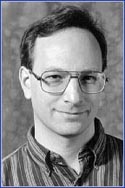
Alan Feinerman: Director of Microfabrication Applications Laboratory, University of Illinois at Chicago (UIC).
Dr. Feinerman received the B.S. degree in engineering and applied physics from Cornell University in Ithaca, NY, in 1978, and the M.S. and Ph.D. degrees in physics from Northwestern University, Evanston, IL, in 1983, and 1987 respectively. He is the Director of the Microfabrication Applications Laboratory (MAL) at the University of Illinois at Chicago (UIC). The MAL is the a fully accessible vertically integrated MEMS/Nano facility that serves universities, government laboratories, and companies of all sizes in the greater Chicago area and across the US. The MAL enables researchers to prototype a wide variety of MEMS and Nano devices.
Dr. Feinerman is an Associate Professor at UIC in the Electrical and Computer Engineering, Mechanical, and Bioengineering Departments. He has developed several new MEMS techniques capable of creating precision three dimensional semiconductor-insulator-polymer-metal structures with an accuracy approaching 1 micron. These methods combine semiconductor processing and fiber optic technology.

Dr. Kees Eijkel, Technical-commercial director MESA+, University of Twente (UT), the Netherlands.

The University of Twente is an entrepreneurial research university. It was founded in 1961 and offers education and research in areas ranging from public policy studies and applied physics to biomedical technology. The UT is the Netherlands' only campus university.
MESA+ the unique research partner in micro- and nanotechnology.
MESA+ is one of the largest nanotechnology research institutes in the world, delivering competitive and successful high quality research. It uses a unique structure, which unites scientific disciplines, and builds fruitful international cooperation to excel in science and education. MESA+ has created a perfect habitat for start-ups in the micro- and nano-industry to establish and to mature.
MESA+ institute for nanotechnology is part of the University of Twente, having intensive cooperation with various research groups within the University. It employs 450 people of which 250 are PhD's or postdocs. The institute holds 1000 m2 of cleanroom space and state of the art research equipment. MESA+ has a turnover of 34 million euro per year of which more than 55% is acquired in competition from external sources.
The structure within MESA+ supports and facilitates the researchers and stimulates cooperation actively. MESA+ combines the disciplines of physics, electrical engineering, chemistry and mathematics. Internationally appealing research is achieved through this multidisciplinary approach. It is strengthening its international academic and industrial network by fruitful cooperation programs.
MESA+ has been the breeding place for as many as 25 high-tech start-ups to date. A targeted program for cooperation with small and medium-sized enterprises is specially set up for start-ups. MESA+ offers the use of its extensive facilities and cleanroom space under friendly conditions. Start-ups and MESA+ work intensively together to promote transfer of knowledge.
Joining MESA+ means working at the forefront of science and technology.

Dr. T.C. Lim, Program Manager, National University of Singapore Nanoscience and Nanotechnology Initiative (NUSNNI).
Dr. T.C. Lim earned his PhD in 2001. He subsequently joined the Nanoscience and Nanotechnology Initiative (NUSNNI) at the National University of Singapore as Research Fellow. His research interests include (i) the modeling of electrospinning process and behavior of nanofibers, and (ii) mathematical chemistry. Dr. Lim is currently the Program Manager of NUSNNI, which oversees more than 20 laboratories across the Faculties of Engineering and Science. To date Dr. Lim has published over 80 papers and one book chapter. He has served as reviewer for 4 international journals.

The roots of the National University of Singapore (NUS) can be traced back to 1905 as the King Edward VII College of Medicine. As of September 2004, NUS has over 3000 faculty and research staffs and over 30,000 undergraduate and graduate students. Currently NUS has the following schools: (a) Arts and Social Sciences, (b) Business, (c) Computing, (d) Dentistry, (e) Design and Environment, (f) Engineering, (g) Law, (h) Medicine, (i) Public Policy, (j) Science, (k) University Scholars Programme, and (l) Yong Siew Toh Concervatory of Music. NUS has been rated 18th in a new global ranking of top 200 universities by The Times Higher Education Supplement (The Times Higher) on 5 November 2004.
The NUS Vision is: "Towards a Global Knowlegde Enterprise: building synergies between education, research and entrepreneurship".
The NUS Mission is: "Advance knowledge and foster innovation, educate students and nurture talent, in service of country and society".

Dr. Warren Ford, OSU Regents Professor of Chemistry, and coordinator of the Oklahoma Nanotechnology Network.
Oklahoma Network for Nanostructured Materials
Dr. Ford's research group designs and synthesizes new polymeric materials to have specific physical or chemical properties. Catalysts and nanostructured materials are the two major objectives.
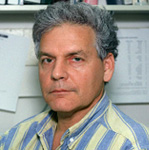
Reshef Tenne, Head, Department of Materials and Interfaces, Weizmann Institute of Science
Prof. Reshef Tenne's research interests focus on the synthesis, characterization and applications of novel nanomaterials. In 1992, he proposed that nanoparticles of inorganic compounds with multilayer structures, such as molybdenum disulfide, would adopt a new, closed-cage crystalline shape, forming tiny balls or nanotubes. Prof. Tenne's observations of these compounds, which came to be nicknamed "inorganic fullerene-like materials and inorganic nanotubes," led to the birth of a new scientific field, of which he is considered to be the godfather. It took him and his colleagues three years to synthesize the first member of this family of materials, tungsten disulfide, in large quantities.
As a result of these efforts, they were able to demonstrate that such nanoscale "ball bearings"considerably reduce friction and wear, and outperform the best solid lubricants made of chemically similar materials. A recent finding that these materials exhibit extreme resilience against impact will lead to numerous new applications. Further to these developments, it was demonstrated that these new nanomaterials open up a very wide field of potential applications in sustainable energy production and storage, super-strong nanocomposites and nanoelectronics, among other technologies.
The field of inorganic nanotubes and fullerene-like materials is currently flourishing, with more than 50 active research groups involved, and about 250 scientific papers published annually during the past two years alone. As these novel materials display great potential for the automotive and many other industries, a start-up company, "NanoMaterials," has been formed to exploit this technology. Scaling-up efforts are underway, and a manufacturing facility for large-scale production of these materials is on the drawing board.

The Weizmann Institute of Science, located in Rehovot, Israel, is one of the top-ranking multidisciplinary research institutions in the world. Noted for its wide-ranging exploration of the sciences and technology, the Institute gathers together 2,500 scientists, technicians and research students devoted to adventuring into the unknown. In their labs, located in a landscaped campus environment, they share a vision: To better understand nature and our place within it.
Anette Uhl, Nano-Science Center, University of Copenhagen
The Nano-Science Center at the University of Copenhagen constitutes an interdisciplinary research and educational effort with the long term goal of merging nano-scale biology, chemistry and physics into a new scientific discipline: Nanoscience.
University of Copenhagen offers courses in nanoscience and nanotechnology on bachelor, masters and Ph.D. levels. The first students have started on a complete interdisciplinary bachelor and masters education in nanotechnology in September 2002.
The basic education includes both physics, chemistry and biology, but nanosystems are a central from the beginning. The education opens the door to many options: With a bachelor degree it is possible to continue and become cand.scient. or Ph.D. in nanotechnology. It is also possible to switch to one the classic master educations like biochemistry, humanbiology, chemistry, bioinformatics or physics.
Students with a degree in nanotechnology are much-coveted on the jobmarket both in Denmark and abroad. The knowledge offered by nanoscience is going to be important for all fields of technology.

Professor Ivan K. Schuller, Head, Thin Film Lab, Nanoscience Group at UCSD. The thin film group is involved in research in a variety of condensed matter physics problems, developing and studying the structure and properties of novel materials.
Professor Schuller is also the Director of the MURI Integrated Nanostructured Supersensors Lab.
His research areas include: Novel magnetic devices; preparation and characterization of superlattices; nanostructured magnetism for super-dense memories; nanostructured materials.
Information on UCSD can be found here.

Professor Knut Deppert, Division of Solid State Physics, Lund University.
Research and Education in Materials Science and Nanotechnology, Department of Materials Chemistry, Lund Institute of Technology
Lund University has for more than 15 years been hosting a major interdisciplinary research program in Nanoscience, ranging from materials science and quantum physics to applications in the areas of electronics, photonics and the life sciences. This is a centre for the development of nanotechnology and fields of science & applications based on the uniqueness of properties and opportunities offered at this nanometer length scale.
The Nanometer Structure Consortium
With eight faculties and several research centres and specialised schools, Lund University is the largest institution of research and higher education in Sweden. The tradition of learning in Lund goes back to the Middle Ages, when the city was home to a seminary. As an archbishopric, Lund was the spiritual capital of mediaeval Scandinavia. The university was founded in 1666, partly in order to bind the provinces, which had been ceded by Denmark in 1658, closer to Sweden. Since then, Lund University has developed into a modern international centre for research and education. Today the university is one of the largest and most comprehensive universites in Sweden enrolling about 41.000 students annually.
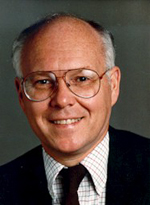
Stephen H. Carr, Assoc. Dean for Undergraduate Engineering, and
Prof. of Materials Science & Engineering and Chemical and Biological Engineering
Faculty Fellow, Institute for Design Engineering & Applications
McCormick School of Engineering and Applied Science
Northwestern University
Stephen Carr, Assoc. Dean for Undergraduate Engineering, is Professor of Materials Science and Engineering, Chemical Engineering, and Biomedical Engineering at Northwestern University. He started his career in polymer science and engineering over 45 years ago, initially at General Motors and, since 1969, as an engineering faculty member at Northwestern. Prof. Carr received a B.S. degree in chemical engineering from the University of Cincinnati in 1965 and the Ph.D. degree in polymer science from Case Western Reserve University in 1970. His scholarly activities range broadly across many fields of engineering, including polymer materials selection, polymer processing, and the creation of polymers with unprecedented combinations of properties.

Susan Trulove, Public Relations Manager, Office of the Vice President for Research, Virginia Polytechnic Institute and State University (Virginia Tech).
Virginia Tech is a comprehensive university of national and international prominence. As one of the top research institutions in the nation, with annual research expenditures in excess of $200 million, Virginia Tech consistently ranks among top 15 institutions without a human medical facility. The university's faculty and students are involved in more than 3,700 research projects in fields ranging from biotechnology to materials, from the environment and energy to food and health, and from transportation to computing information.

Dr. Zhong Lin 'ZL' Wang, Regents' Professor
Director, Center for Nanoscience and Nanotechnology (CNN - website under construction),
Director, Center for Nanostructure Characterization (CNC), Georgia Institute of Technology
Materials Science and Engineering at Georgia Tech
link
Zhong Lin (ZL) Wang's Nanoscience and Nanotechnology group
NanoTech Research Center
Dr. Wang has been focused on the atomic dimension microstructures of materials of technological importance and their relationship with measured physical properties. The materials that he has been working on are functional and smart thin oxide films, nanoparticles and self-assembly, carbon nanotubes, nanowires and nanobelts of semiconductive materials, and magnetic nanophase materials.
Dr. Wang has had extensive research experience on: applications of high-resolution transmission electron microscopy, nano-probe electron energy-loss spectroscopy and energy dispersive X-ray spectroscopy for quantitative structure determination of crystals and interfaces; electron holography and its applications for studying nanophase and catalysis materials; synthesis and characterization of monodispersive nanoparticles; thin oxide films for microelectronics applications; surface structure and its influence on thin film growth; dynamical diffraction and imaging theories of inelastically scattered electrons; and reflection electron microscopy and spectroscopy for surface analysis.
Dr. Wang’s current research focuses on discovery, controlled synthesis, characterization, fundamental understanding and applications of one-dimensional nanostructures in microsystems and biomedical science. His recent research is on semiconducting and piezoelectric oxide nanobelts for electromechanical-coupled nano-scale devices and self-assembly technology.
The Georgia Institute of Technology is one of the nation's top research universities, distinguished by its commitment to improving the human condition through advanced science and technology.
The Institute offers many nationally recognized, top-ranked programs. Undergraduate and graduate degrees are offered in the Colleges of Architecture, Engineering, Sciences, Computing, Management, and the Ivan Allen College of Liberal Arts. Georgia Tech consistently ranks among U.S. News & World Report's top ten public universities in the United States. In a world that increasingly turns to technology for solutions, Georgia Tech is using innovative teaching and advanced research to define the technological university of the 21st century.
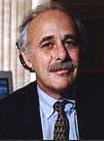
Roberto Peccei, Vice Chancellor for Research, University of California, Los Angeles (UCLA)
Dr. Peccei is an internationally known particle physicist who has been a faculty member and administrator at UCLA for 13 years, serving as chair of the Department of Physics and Dean of Physical Sciences in the College of Letters and Science.

Professor Eli Yablonovitch, UCLA Electrical Engineering Department faculty and Director of the Center for Scalable and Integrated Nanomanufacturing
Professor Yablonovitch is also head of the Optoelectronics Group and the
Center for Nanoscience Innovation for Defense (CNID).
His research focuses on optoelectronics, high speed optical communications, nanocavity lasers, photonic crystals at optical and microwave frequencies, quantum computing and communication.
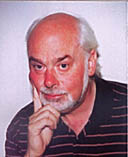
Professor Fraser Stoddart, Director of the California NanoSystems Institute (CNSI) (based at UCLA).
Professor Stoddart has published over 680 scientific papers and is currently one of the 10 most highly cited chemists, according to the Institute of Scientific Information. He has pioneered the development of molecular recognition-cum-self-assembly processes and template-directed protocols for the syntheses of mechanically interlocked compounds (catenanes and rotaxanes) that have been employed as molecular switches and as motor-molecules, respectively, in the fabrication of nanoelectronic devices and NanoElectroMechanical Systems (NEMS).
In July 2002, he became the Acting Co-Director of the California NanoSystems Institute (CNSI). On May 1, 2003 he became the Director of the CNSI and assumed the Fred Kavli Chair of NanoSystems Science.

The University of California, Los Angeles and University of California, Santa Barbara have joined to build the California NanoSystems Institute (CNSI), which facilitates a multidisciplinary approach to develop the information, biomedical, and manufacturing technologies that will dominate science and the economy in the 21st century.
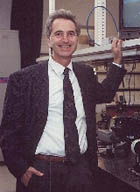
Professor Robert W. Cohn, Director of ElectroOptics Research Institute and Nanotechnology Center University of Louisville
Robert W. Cohn is Professor Electrical and Computer Engineering and Distinguished University Scholar, University of Louisville. He holds the Ph.D. in Electrical Engineering, Southern Methodist University. Since 1996 he has been the Director of the ElectroOptics Research Institute and Nanotechnology Center.
His current research interests include shaping laser beams for the display of images, trapping and guiding of micron-scale particles such as cells using laser beams, and the development of simple methods of fabricating nanometer scale structures. An example of what is meant by ease and simplicity of Dr. Cohn’s nanofabrication process is that one can brush liquid plastics onto a rough surface by hand and within a few seconds fiber bridges of 50 nanometer diameter will form through a process known as self-assembly. He has published 40 papers in refereed journals, holds 6 patents and has been principal investigator on over 30 grants.
Professor Cohn talks on nanotechnology and nanotechnology education (all PDF's):
"Surely you're joking Mr. Feynman that all I needed to know (about Nanotechnology) I learned in Kindergarten," presented at NSF/ECS Grantess Conference, Fayetteville, AR 16 August 2001 (given to NSF-ECS division)
Nanotechnology overview, presented at the 43rd Annual Meeting Gerontological Society of America, Washington, D.C. (21 November 2000) (The talk is transcribed together with the slides on this one.)
"A Curriculum in Nanotechnology," presented at the Gordon Research Conference on Chemistry and Physics of Nanostructure Fabrication, Tilton, NH. (24 July 2000).
Dr. Britt H. Larsen, MMT Vice centerleder Nano@DTU, Technical University of Denmark. details
NANO@DTU organizes the broad spectrum of nanotechnology research and education at the Technical University of Denmark. NANO@DTU is a collaboration between various Departments and centers at the Technical University of Denmark (DTU). There are at present more than 170 internal members at DTU headed by a steering group.

The Technical University of Denmark (DTU) is a modern technological university which operates at a high international level in a wide array of activities in fields such as biotechnology, communications technology, nanotechnology and development of technologies for sustainable energy. The University's research and teaching is provided by 15 departments, a number of major independent centres established as joint ventures between DTU and companies and research institutes in the region. Like all modern universities, DTU also operates a number of transient and dynamic centres in which the driving force resides in collaboration across different fields of research and organisations.
The University embraces most of the engineering disciplines, and trains engineers to Bachelor, Masters and PhD level. In addition, the University offers a comprehensive continuing education programme, with a number of courses taught in English. The University has 6000 students preparing for Bachelor and Masters degrees, 600 PhD students and takes 400 foreign students a year on English-taught courses. DTU also has a permanent 400 of its Danish students away on varying length courses at foreign universities.
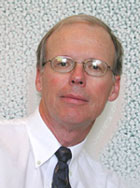
Dr. G. Slade Cargill III, Chair, Materials Science and Engineering Department Lehigh University.
Improved performance of materials for advanced applications in microelectronics -- this is the goal of research by Dr. Cargill and his students, who often work in collaboration with scientists and engineers at industrial and government laboratories. They use x-ray and electron beams to study structural defects, strain distributions, and electromigration, particularly in electronic materials and devices such as conductor lines in integrated circuits and semiconductor layers in light emitting diodes and lasers. Some of this research employs the National Synchrotron Light Source at Brookhaven National Laboratory and the Advanced Photon Source at Argonne National Laboratory, as well as x-ray diffraction and electron microscope facilities at Lehigh. In addition to electronic materials, Dr. Cargill has made important contributions to understanding the atomic scale structure and magnetic properties of amorphous metallic alloys and to developing scanning electron acoustic microscopy, for which he was made a Fellow of the American Physical Society in 1983.
Lehigh continues to produce some of the most innovative and exciting programs found on campuses today. This high-energy learning is based on original inquiry and discovery and prepares students to be pragmatic, hard-working leaders in the rapidly changing work environments of the 21st century.

Dr. James Hageman, Vice Provost for Research and Dean of Graduate Studies, Central Michigan University (CMU).
Dr. Hageman came to CMU in 2000 after 29 years at New Mexico State University where he served as Director of the Graduate Program in Molecular Biology and Head of the Department of Chemistry and Biochemistry. Since arriving to CMU, Hageman has focused his efforts on increasing the number of faculty applying for external grants and to seeking patent coverage for ideas of commercial potential.
Founded more than a century ago, Central Michigan University has evolved into a doctoral/research intensive public university that is ranked among the best in the Midwest. CMU provides its growing student population with modern facilities and technology, faculty who are dedicated to student-centered teaching and research, and a selection of more than 200 programs at the bachelor's, master's, specialist's, and doctoral levels.
The university's academic reputation is complemented by opportunities for experiential learning and scholarship. CMU supports knowledge development and active learning at undergraduate, graduate, and faculty levels. Students are prepared for careers through internships, real-world research and experiences with advanced technology.
CMU's Center for Applied Research and Technology has been designated a national center of excellence in dendrimer nanotechnology research. The Dendrimer Nanotechnology Research Laboratory is located on CMU's main campus and includes a range of advanced analytical equipment.
David Johnson, Chemistry Professor and Materials Science Institute Member, University of Oregon.

B.A., Rutgers University, 1978. Ph.D., Cornell University, 1983 (M.J.Sienko). Postdoctoral: Cornell University, 1983-84 (M.J.Sienko). Honors and Awards: Henry Rutgers Undergraduate Research Scholar, 1977-78; Office of Naval Research Young Investigator Award, 1987-1990. At Oregon since 1986.

The Materials Science Institute is an interdisciplinary institute of the University of Oregon. Founded in 1985 as a State Center of Excellence, the purpose of the Institute is to study the structure and properties of materials, to educate in the sciences of materials, and to serve Oregon as a resource in these sciences. Since 1985 the Institute has more than tripled the size of its research program, developed four new graduate programs in materials, and contributed to the State's prosperity through collaboration with more than 25 Oregon companies.

Professor Gary W. Rubloff, Director, Maryland Center for Integrated Nano Science and Engineering (M-CINSE)
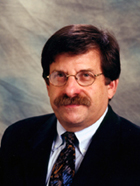
Professor Rubloff's research has included solid state physics, surface physics and chemistry, interfaces, semiconductor materials and processing science and technology, process diagnostics and modeling, manufacturing science, combinatorial materials science, biomaterials and bioMEMS. His semiconductor process research has emphasized the elucidation of chemical and physical mechanisms involved in surface cleaning, thermal oxidation, chemical vapor deposition, and plasma etching, and in pursing these directions he pioneered the exploitation of ultrahigh vacuum process environments and their integration with in-situ surface and interface diagnostics. He holds 19 patents and 6 IBM Invention Achievement Awards.
To promote and centrally support the nano science and engineering community at Maryland, the campus recently launched the Maryland Center for Integrated Nano Science and Engineering (M-CINSE) as a partnership between engineering, the physical sciences, and the life sciences. Organized as a Center within the Institute for Research in Electronics and Applied Physics (IREAP), Professor Gary W. Rubloff leads M-CINSE as its Founding Director.
Nanotechnology Business Survey
|
In this survey I asked 3 questions of businesses from around the world. My intention was to gauge their efforts to find qualified graduates and the types of jobs they need to fill, now and in the future.
Here are the 3 questions:
Are you finding enough qualified graduates coming out of U.S. universities to fill your needs? If not, what can be done to correct this? If so, do you see a point in the future where jobs will outpace graduates?
What types of jobs are you seeing an increased need for, now?
What types of jobs do you expect to see an increased need for in the next decade?
As with the education survey, each respondent will be represented in the response section by their initials.
Links are also provided to company websites, and Bio pages when available.
Clicking on the details link will take you to a section with details about each respondent and their company.
The following individuals responded to this survey:
Michael J. Laine (MJL), President, Chief Strategic Officer LiftPort Group - "The Space Elevator Companies." details
Dr. Richard D. Powell (RDP), Research Director Nanoprobes. details
Dr. Nicholas V. Coppa (NVC), Staff Member, Nanomaterials Company. details
Dr. Andrew Hunt (AH), CEO and CTO nGimat. details
Dr. Peter Binks (PB), CEO Nanotechnology Victoria Ltd. details
Mark Sternagle (MS), Engineering Technician NanoHorizons. details
Jim Clements (JC), Vice President - Business Development NanoSciences, Inc. details
David Rowe (DR), President/CEO Holographix LLC details
Mr. John Huang (JH), CEO Nanostructured & Amorphous Materials. details
Hadi Mahabadi (HM), Vice President and Centre Manager of the Xerox Research Centre of Canada (XRCC). details
Dr. Steve Petrone (SP), President Quantiam Technologies Inc. details
And here are their responses:
1. Are you finding enough qualified graduates coming out of U.S. universities to fill your needs? If not, what can be done to correct this? If so, do you see a point in the future where jobs will outpace graduates?
MJL: We are still a very small company. However, because of the international level of exposure we have had, regarding our project (the Space Elevator), we recieve an awful lot of very highly qualified resumes. So yes, my needs are met. However, from talking to other people, I can see that some of them are struggling with this issue.
(As far as jobs outpacing graduates) Sure. As we move out of the R&D phase, and start the beginnings of a manufacturing phase, we will absolutely run out of qualified production people.
RDP: As a company focused on scientific research, most of our positions have been in this area, and we have always encountered a large excess of applicants for any position we have advertised; we also receive a steady stream of enquiries from candidates with varied and interesting backgrounds. Currently, our needs are satisfied by graduates with knowledge and laboratory training in conventional inorganic, organometallic and synthetic chemistry, and bioconjugate chemistry (protein modifications, cross-linking, etc.). Our technology is an application of these skills, and candidates who are proficient in these areas, flexible, and willing to adapt learn our technology quickly, and pick up the required knowledge and contribute to our company. Flexibility and an ability to quickly understand new ideas and technology are better indicators of a successful member of our company than specialization.
For research, what we are most looking for is an ability to understand systems - biological or chemical - on the molecular level. If there is a deficiency, it is in this understanding, rather than in any specific 'nanotechnology' - related skills: we have seen that even candidates who major in these subjects can lack the depth of knowledge and feeling for what is happening on the molecular level that we are looking for. We have found on one or two occasions that personnel from overseas universities have had a deeper knowledge in these areas than graduates from U.S. Universities. The answer to this is for deeper and more thorough education in the traditional scientific subjects that form the basis for nanotechnology.
Science as a whole is over-subscribed. Both as an employer and as a job seeker, I have always encountered a very large number of candidates for any open position. It is often difficult for candidates with skills in chemistry and biology - the subjects from which nanotechnology is derived - to find jobs; we need to be very cautious about adding more graduates with "hot-button" degree specializations, and instead be willing to recognize those already available who have the attributes we are looking for, and to hire and train them. For this reason, it is very difficult to anticipate a point where jobs will outpace graduates.
NVC: Yes. The number of academic laboratories engaged in nano exceeds the number of companies that are dedicated to the same. Accordingly, there exists an excellent pool of applicants from which to choose our personnel. I should state, although we are an equal opportunity employer, the best candidates arrive at our door via word of mouth, that is, through the recommendations of the professors that head the laboratories with which we are associated.
AH: Yes, and we do our own recruiting. nGimat recruits heavily from Georgia Tech, which is one of this nation's top five engineering institutes, graduating more engineers than any other. In addition, Georgia Tech has an institute-wide material and nanotechnology thrust. Most of our hires will have a Ph.D or Masters degree. We also hire summer interns for technical positions, which provides an opportunity for them to work for us and provides us with an avenue to evaluate them for a future job after they receive their degrees. We also have been successful in utilizing the local newspaper as well as our website for open positions. We believe it will become more difficult in the next few years for some companies to hire qualified nanotechnologists.
PB: We are an Australian business, so we have interpreted your question as relating to our local situation. We are finding a real dearth of graduates with good knowledge of nanotechnology, from both a technical and a business skills perspective. The major impediment to a startup nanotechnology business in our country would be an inability to put together a good team with real knowledge of the technologies, its industry structure, its investment models, regulatory environment, etc. It would be too much to expect graduates to provide all of these, but a business would want some familiarity with 2-3 components.
There may be good graduates coming out of U.S. universities, but we aren’t seeing them as yet. Interestingly, it appears there are graduates coming out of India, France, and Singapore looking for international opportunities.
It is not clear that there is an easy remedy. Our expectation is that supply will build steadily as the interest in high schools and in the general public translates to the tertiary education sector. We also expect that there will be substantial “cross-over,” with graduates from chemistry, the sadly-neglected materials sciences, biomedical sciences, pharmacology migrating to nanotechnology with relatively small skill enhancements. This is natural and healthy.
We don’t think jobs will significantly outpace graduate supply, because the market will correct through wages initially, and then the migration from similar sectors, as described above.
MS: As of right now, we have an abundance of qualified graduates to fill our needs. This is partly due to our strong affiliation with Penn State University. However, the artificial division of disciplines in schools continues to hurt our company, as well as nanotech companies as a whole. With each facet of nanotechnology, a specialist must be hired. For example, I know nothing about biology and very little about chemistry, and this has hampered our company with the need to train me despite the fact I graduated with a four year engineering degree. In the future, jobs will certainly outpace graduates. I believe that we are beginning to see this trend already for some less well-connected companies not affiliated with major research universities.
JC: We are extremely pleased with the level of experience and the very broad range of practical capabilities with demonstrated by recent U.S. graduates from larger schools or university systems. Recently in fact, we have been quite surprised that the skill-sets possessed by applicants from these schools oftentimes exceed our expectations.
For example, this past week we have considered the CV's from two applicants, both from large East Coast universities, where both graduates had extensive, hands-on experience in micro and nanofabrication techniques including plasma applications & effect, etching, lithography, metal dep, optical thin film coatings, SAMS, etc. Both also had extensive hours working in Class 10 clean room environments.
Again, we are very positive about the skills that have been developed in graduates from larger U.S. universities, but we hope that smaller schools and state systems create the curricula necessary to keep pace with the emerging demand. Regional initiatives and internship opportunities might help bridge this gap.
DR: Currently no problems here for us. Hard to predict the future but don't expect major problems.
JH: Yes.
HM: We are having challenges in attracting talented scientists to Canada from the US. We are also having challenges finding highly qualified students from Canadian universities. There are few students to chose from. In Canada, the problem is made worse by the salary differential to the US. I do not see that jobs will outpace graduates.
SP: As Quantiam is based in Canada, I will respond from a North American perspective, in that we have not been able to fill our most advanced job vacancies from graduates in North America and generally look offshore in countries with a similar education system (primarily the UK, Germany, France and Australia). This is becoming difficult as the European Union is "repatriating" its post-graduates at a high rate through very large R&D initiatives. To meet future industrial needs, our universities need to develop a program that better aligns graduate training with industrial needs in the nano sector (even the sub-micron space would be of great value). We have seen such evolution in the past, for example, "Metallurgy" or "Metallurgical Engineering" programs in the 1960s and 1970s evolved to "Materials Science" or "Materials Engineering" programs of today. We require graduates that are highly proficient and comfortable in working with matter at the atomic level.
2. What types of jobs are you seeing an increased need for, now?
MJL: Undergrads with an interest in materials science, willing to do a little research and a fair amount of 'production' work. The support-level technicians are in short supply.
RDP: Nanoprobes has not significantly changed its technology focus in the past five to ten years, and for research and development, we generally seek the same core skills as we have always sought. We have developed an increased need for people with experience in 'commercialization' activities - development, manufacturing, regulatory submissions, and marketing - but these needs are created by project progress rather than by a shift in the underlying technologies.
However, we either have, or are quickly developing, specific needs in "infrastructure and support" capabilities. As a small company, this is difficult for us because we often don't have the resources to hire a full-time specialist, so we are looking for people with both a background in relevant science who can contribute to our technology, and expertise in these fields. These activities are not nanotechnology-specific, but common to many technology businesses:
- Information Technology - processing and organizing information. We anticipate a growing need for people able to put in place systems to help us organize and share information: databases, electronic notebooks and laboratory information systems, and informatics. Someone who has experience with these systems and can help us put them in place (even someone who has enough knowledge to critically evaluate and recommend a consultant or contractor who will do a good job) as well as the foundation in chemistry and biology, will have a definite edge here.
- Intellectual Property Management. As a relatively small business, we cannot afford a full-time patent attorney, but someone who combines a background in relevant science with intellectual property experience - particularly in managing intellectual property for business goals, rather than just writing patents - would be very valuable.
- Grant Accounting: it has been very difficult to find people for this, even with major universities and government labs close by. Much of our research is supported by SBIR grants, yet we also have commercial products and sales. This makes our financial management systems requirements quite complex - we need to separate costs by project, split personnel time and purchases between multiple projects and between grants and other activities, and calculate indirect cost and fringe rates for the entire organization. We have been unable to find people with experience in this area, and even experienced financial professionals have had difficulties with it.
NVC: The most important positions here (at Nanomaterials Company) are the support position, such as engineers & technicians. It is relatively easy to find an expert at the staff member level in nanomaterials as compared to technicians and engineers that can talk to them. We make a considerable investment in teaching our technicians and engineers, and much of what we teach is not intuitive. The very best individuals we have on our staff are ones who know a discipline like physics or chemistry in great depth and detail but have also acquired first hand experience using the tools of the nanotechnologist.
Since the field is relatively new, even a little (nano) experience goes a long way, but that experience alone, without the in-depth knowledge in materials, physics and or chemistry, is of little value, if any. Since we are a small business (<500 employees) we require most of our staff to wear more than one hat. Staff members that are unable to see beyond their own expertise and can not reach into the expertise of others usually find their way to the exit door
AH: We have been hiring material scientists, chemical engineers, chemists, bio-engineers.
PB: We see demand for technology development and manufacturing/process management in chemicals, technical textiles, and consumer products. Personnel with understanding of nanoparticles, composites, nanotubes and fibres are especially valuable; if they know how to manufacture in quantity, and to manage quality they are close to priceless.
MS: Biological focused jobs, research chemistry, specialized equipment technicians, and project managers that can keep up with the torrid pace of nanotechnology.
JC: Business development and strategic marketing skills are becoming a crucial element as we move into the next phase of growth. There has been a recent ramp in these types of jobs.
DR: Chemical engineers.
JH: R&D in new particulate materials, dispersion.
HM: We have determined a growing need for:
- Chemists with expertise in polymer design and colloidal chemistry manipulation for the generation of structured or self assembled materials.
- People who are skilled in modeling and synthetic chemistry. Very few people have the ability to model a system and then go to the lab and make the target compounds.
- Expertise in nano particle surface science and characterization.
- Expertise in micro reactor technology, an emerging field in chemical engineering.
SP: We require specialists in the characterization, manufacturing and processing of materials at the sub-micron and nanoscale (<100nm), and in some areas, at the atomic level. In R&D positions, we generally pursue Ph.D. graduates in the fields of surface chemistry and surface engineering who are comfortable working at the angstrom level of matter. In engineering, we generally hire at the bachelor's level and then train inhouse. With regard to technologist supporting our scientists and engineers, we train college graduates with a related diploma in-house to meet our needs.
3. What types of jobs do you expect to see an increased need for in the next decade?
MJL: The Ph.D. process is good and solid throughout the country. People interested in advanced degrees in material sciences know where to go for school, and are getting a great education. I think we will have an adequate supply of advanced technical skills. However, the mid and lower ranges of skills will be in short supply. Knowledge in quality control, automation and mass production techniques are all but missing in this field - for now. That lack will continue to hamper the evolution from 'lab work' to 'production work.'
RDP: We will continue to need people with an ability to understand the molecular aspects of our technology - who can think of biomolecules and metal nanoparticles as molecules that may be manipulated through synthetic chemistry. We expect this need to be met by people with solid understanding of synthetic and organometallic chemistry. Graduates who have a knowledge of both chemistry and biology will be particularly valuable.
As our projects mature, we also expect to need more people with the expertise required for commercial development of biomedical products - development, manufacturing, regulatory submissions, and marketing.
The areas identified in response to question (2) - information technology and intellectual property management - will continue to become more important. While we hope to grow to the point where we can hire specialists full-time in these areas, the most valuable people will be those who combine these skills with an understanding of the science behind our technology - those who can help get us to the point where we can afford to hire specialists.
A valuable attribute in any employee is the ability to recognize novelty, or identify a new result or a new application; this usually means an ability to learn quickly and be open to new ideas and suggestions.
NVC: To remain competitive in this field that is increasingly becoming more crowded, we seek employees that have a strong work ethic and are addicts for solving problems. Dedicated, hard working individuals who have a passion for unraveling the secrets of nature are the types of employees we expect to have an increased need for. Remember most, if not all, of the easy things have been done.
Getting nature to cooperate at the nanoscale - and at the same time at the industrial scale - is a great challenge; a challenge that requires in-depth understanding of the primitive forces of nature but also creativity in computational, mechanical, thermal, electrical and optical engineering and a host of other non-nano disciplines. If the academic nano centers produce these types of individuals, we will hire them.
AH: Material scientists, bio-engineers, chemical engineers, chemists, mechanical engineers, electrical engineers and physicists.
PB: The skills mentioned above will be important for the next 5-10 years as materials businesses develop. However, increasingly over that period the bionano opportunities for businesses will become real. In that context, knowledge of how nanostructured and nanoscale materials interact with biological systems will become critical, and graduates with those insights will be in very high demand by pharmaceutical and medical products companies.
MS: In the next decade, biology and energy would become the main focus of nanotechnology. Specialists that are trained as medical doctors, research chemists, and engineers will be in high demand in the nanotechnology/biotechnology industry. Application and design engineers with knowledge of research chemistry and materials science will be invaluable for energy companies and the related nanotech start-ups.
JC: Small tech, by its very nature, is a convergence of multiple scientific disciplines, and domain experience. Increasingly, what will be required is a blend not only of technical skill, but of business management and commercial acumen as well. Success in small tech will clearly be determined by a cross-linking of employees' technical know-how, and business aptitude.
DR: Chemical engineers, optical engineers.
JH: Ingrating nano-powder materials in industries.
HM: Increased need for expertise in the area of preparing materials for self assembly -- both polymeric and small molecule-based. Experts in characterization and manipulation (physical chemistry) of nanoscale materials and composite stuctures of such materials.
SP: Over the next decade, our needs for specialized scientists and engineers will continue to increase, all requiring training that specializes in characterizing and processing matter at a finer (smaller) level. Such individuals will require proficiency with research and manufacturing equipment of increasing complexity and capabilities. It does not appear that our universities and colleges are aligned with these needs as something as simple as computer proficiency amongst college graduates (2 year diploma in Canada) is weak-to-fair at best. Perhaps, our educational deficiencies in North America for the current "knowledge-based" century lies further back in our high schools.
This section gives details on the individuals who responded to the Business Survey
Michael J. Laine, President, Chief Strategic Officer LiftPort Group - "The Space Elevator Companies."
As President and founder of LiftPort Inc., the company devoted to the commercial development of the Space Elevator, Michael Laine is turning a lifetime interest into a professional venture.
Laine brings more than 15 years of business management and technology development experience, specifically useful for the technologies, financial services, and military markets the Space Elevator project will comprise. Not only has Laine worked for the past four years on space technology and development, he has dedicated the past three years of his professional career to the Space Elevator.

The LiftPort Group (LPG) is dedicated to building a mass transportation system to open up access to the inner solar system (LEO, GEO, the Moon, Mars, and asteroids). We expect the Space Elevator will be at the heart of this revolutionary transportation service. By opening up broad-based access to Earth orbits and the inner solar system, LPG will help bring about the creation of entire new markets. Based in space commerce, these new markets can only become viable through safe, inexpensive, routine access to the inner solar system. In short, we at LiftPort Group believe that development of the Space Elevator is a crucial step in the future of Earth and space.
Dr. Richard D. Powell, Research Director at Nanoprobes.
Richard D. Powell has worked for Nanoprobes, Incorporated since 1991 and is currently Research Director. He holds a Ph.D. (1988) and B.Sc. (1985) in Chemistry from Imperial College, London, UK, and conducted postdoctoral research on transition metal compounds with Prof. Terrence J. Collins (Chemistry) at Carnegie Mellon University, Pittsburgh, PA, and with the STEM Group in the Biology Department at Brookhaven National Laboratory. Since joining Nanoprobes he has helped develop a number of novel metal cluster and nanoparticle labeling reagents, combined fluorescent and gold probes, and new methods for biological staining and detection using these reagents. He has received several Small Business Innovation Research (SBIR) and Small Business Technology Transfer (STTR) grants to support these activities.

Nanoprobes, Incorporated develops methods for detecting and identifying biological targets, staining, and biomedical imaging using metal nanoparticle-based probes and labels, and the selective, targeted deposition of metals at sites of interest in biological systems. Our products include unique gold nanoparticle reagents with specific reactivities for conjugation to biomolecules or other systems, immunogold probes, combined fluorescent and gold immunoprobes, and silver and gold-based autometallography reagents. Current projects include the development of novel methods for in situ hybridization detection, a test for gene amplification in breast cancer, and the application of metal nanoparticles for medical imaging.
Dr. Nicholas V. Coppa, Staff Member, Nanomaterials Company.
The Philadelphia Metropolitan area's first nanotechnology company - organized in 1995 and incorporated in 1999 using private investments and a small investment from Ben Franklin Technology Partners. Nanomaterials derived its process technology from key technical achievements at Los Alamos National Laboratory and has continuously expanded its technology base - our business is devoted to the exploitation of materials properties exhibited when its architecture is on the nanometer scale and to the design and manufacture of proprietary enabling processing equipment.
Specializing in the production of nanomaterials having complex composition and exacting particle size and particle size distribution and tailored surface characteristics. Additionally we also provide customers with materials processing solutions and equipment to meet the needs of the emerging nanomaterials and ultra high purity market.
Dr. Andrew Hunt, CEO and CTO nGimat.
Dr. Andrew Hunt developed and patented the Combustion Chemical Vapor Deposition (CCVD) process. He founded nGimat in 1994, attracted world-class talent, and built the company into one of the leading providers of engineered nanomaterials for nanopowders, thin films and devices. Dr. Hunt has developed commercial relationships with industry-leading companies and research partnerships with key government agencies in nGimat's target markets. He has authored two book chapters for industry publications on vapor deposition, published over 15 scientific papers, and has over 50 patents proposed, pending or issued as a result of his work at nGimat.

nGimat Co. is a cost-effective manufacturer and innovator of engineered nanomaterials in the following areas: nanopowders, thin films and devices. nGimat's Combustion Chemical Vapor Deposition (CCVD link) and NanoSpraySM Processes (link) along with its Nanomiser® Device (link) enable synthesis of nanoparticles and thin films. These processes are easily scalable, thereby enabling low-cost production of engineering materials with controlled composition, size, and morphology.
nGimat's product development, sales and licensing is focused in four target markets: 1) nanopowders and process, 2) barrier coatings, 3) electronic and optical coatings and devices, and 4) RF wireless components. nGimat offers its commercial customers product sales, license arrangements, and R&D services. nGimat also has an active program of government development grants from agencies such as the National Science Foundation, the Department of Energy, the Department of Defense (Navy, Army, Air Force and Missile Defense Agency), the National Institute of Health, the Environmental Protection Agency, and NASA. The CCVD and NanoSpraySM Processes, along with the Nanomiser® Device, for nanopowders and coatings, were invented by nGimat's founder, Dr. Andrew Hunt. nGimat has more than 30 issued U.S. patents and, numerous foreign patents and multiple patent applications covering its raw materials, processes, equipment, composition of matter, intermediate products and final products.
Dr. Peter Binks, CEO Nanotechnology Victoria Ltd.
Dr. Peter Binks has been Chief Executive Officer of Nanotechnology Victoria Limited since May 2003. At Nanotechnology Victoria he is responsible for managing an initial budget of close to A$30 million over three years, delivering investment, research, commercialization, policy and educational outcomes for Victoria based on new nanotechnologies. He is currently recruiting a team and building a company to enable delivery of these outcomes.

Nanotechnology Victoria is a leveraged contract research and development company with a focus on nanotechnology developments. Its research capabilities are those of its founding Members - Monash, RMIT, and Swinburne Universities and the CSIRO - and it leverages seed funding of A$12 million from the Victorian Government.
Nanotechnology Victoria plays a role in designing the educational support to growth of nanotechnology in Victoria. Its charter, established in its Grant Agreement with the State Government in November 2002, includes "Implementation of broad and pervasive marketing, awareness, and education programs by 2005." This charter recognizes that the development of a new industrial capability requires corresponding investment in skills at all levels.
Click here for more information on their education program.
Mark Sternagle, Engineering Technician NanoHorizons.

Our Mission: develop and produce state of the art nanotechnology products and processes for near term biotechnology, pharmaceutical, chemical and microelectronic applications.
NanoHorizons has developed nano-scale materials and devices that apply to these areas:
- Medical: e.g. breath monitor for intensive care and premature infant care
- Industrial: on-line monitors for semiconductor and process gases
- Environmental: specific gas sensors
- Homeland Security: chemical threat detectors
Jim Clements, Vice President - Business Development NanoSciences, Inc..
For more than 25 years, Jim Clements has helped drive fast-track commercialization over a broad array of emerging technology sectors, including biotech, MEMS & BioMEMS, nanomaterials, catalyst design and specialty chemicals. While at ALCOA, Jim managed the commercial development team for a new nanomaterial, SorbPlus®, winning an R&D 100 Award as one of the year's best commercial innovations.
At Microbics, a biotech start-up, Jim designed and implemented the successful global launch for an on-line environmental bio-monitoring system..... a significant line extension for an existing, patented biotechnology.

NanoSciences, Inc. is a global, strategic marketing organization, focused upon small tech applications within the convergence of disciplines in engineering, materials sciences, and biological / life sciences. The company has combined a collection of leading-edge tools, technology platforms, and nano-materials… all specifically focused on applications within the nanotech, MEMS, & BioMEMS research and manufacturing communities.
NanoSciences, Inc. delivers industry expertise to help early stage companies effectively position their products for the rapidly emerging opportunities in micro & nanotechnology. The company serves a broad array of market sectors: From electronics, to aerospace, chemicals, semiconductors, drug delivery, biotech and diagnostics.
David Rowe, President/CEO Holographix LLC

Holographix located 25 miles west of Boston in Hudson, Massachusetts. Our laboratories are equipped with state-of-the-art recording, replication, testing, and thin-film coating laboratories. Holographix has a diverse customer base in the nanotechnology, spectroscopy, space, telecommunications, display, printing, metrology, defense, non-contact inspection measurement, and analytical chemistry industries.
Mr. John Huang, CEO Nanostructured & Amorphous Materials.
Nanostructured & Amorphous Materials, Inc., founded in 2001, is a high-technology company involved in the research, processing, and marketing of nanostructured, ultrafine-structured and amorphous materials.
Hadi Mahabadi, Vice President and Centre Manager of the Xerox Research Centre of Canada (XRCC).
Mahabadi joined Xerox in 1981 and has held a variety of managerial positions. He has also led teams that developed advanced materials for a wide range of Xerox products. He has been instrumental in the development of a new generation of toner technology that was introduced into the market in 2001.
In 1998 Mahabadi was the recipient Xerox's Chester F. Carlson Award for the highest number of U.S. patents. Mahabadi holds over 60 U.S. patents.
Mahabadi received his Ph.D. in the field of polymer engineering from the University of Waterloo in 1976 and held various academic positions before joining Xerox. Mahabadi is a member of several scientific societies. He was selected as a Fellow of the Chemical Institute of Canada and International Union of Pure and Applied Chemistry and has been Secretary and Chairperson of the Macromolecular Science and Engineering Division of the Chemical Institute of Canada.

The Xerox Research Centre of Canada (XRCC) is Xerox's strategic materials research center, enabling the flow of leading-edge imaging materials from research concepts to supplies and consumables solutions. XRCC leverages its core competencies in materials design, synthesis, characterization, evaluation, and scale-up to deliver -- with partners -- environmentally sound materials and processes that support lower cost, higher quality color printing, as well as materials for new business creation.
More recently we started an effort to use nanotechnology for making advanced materials for Xerox.
Dr. Steve Petrone, President Quantiam Technologies Inc.
Dr. Petrone holds a Ph.D. in Surface Science from McMaster University and has over 20 years of industrial experience in the development and commercialization of new products based on advanced materials. He has managed over 700 person years of new product innovation and raised over $50M to finance both development and commercialization efforts. He holds patents in key areas of materials science, surfaces and coatings. Prior to founding Quantiam, Dr. Petrone was Executive Vice-President and Chief Operating Officer in a major Canadian public company.

Quantiam Technologies Inc. is a young Canadian technology company founded in 1998 and specializing in the development and commercialization of new products based on nanomaterials, catalysts, surfaces and coatings. Quantiam develops disruptive new products with world-first benefits for applications in the Petrochemical, Energy and Aerospace industries. To-date, Quantiam has developed and commercialized surfaces and coatings primarily for wear, corrosion, and catalysis applications. These include novel wear coatings that simultaneously exhibit high hardness, high fracture toughness and high ductility - an anomoly of matter discovered possible through the use of nanomaterials. In support of its aggressive R&D efforts, Quantiam houses the most advanced surface and nanomaterials characterization facilities in Canada's private sector.
|
The industries that nanotechnology will likely have a disruptive effect on in the near term include the following:
(Amounts are Billions of US Dollars)
|
$1,700 |
Healthcare |
|
$600 |
Long Term Care |
|
$550 |
Electronics |
|
$550 |
Telecom |
|
$480 |
Packaging |
|
$450 |
U.S. Chemical |
|
$460 |
Plastics |
|
$182 |
Apparel |
|
$180 |
Pharmaceutical |
|
$165 |
Tobacco |
|
$100 |
Semiconductor |
|
$92 |
Hospitality / Restaurant |
|
$90 |
US Insurance |
|
$83 |
Printing |
|
$80 |
Corrosion Removal |
|
$57 |
US Steel |
|
$43 |
Newspaper |
|
$42 |
Diet Supplement |
|
$40 |
Diet |
|
$32 |
Publishing |
|
$30 |
Catalysts |
|
$27 |
Glass |
|
$24 |
Advertising |
|
$18 |
Cosmetics |
|
$13 |
Chocolate |
|
$10 |
Battery |
|
$5 |
Blue Jeans |
|
$4 |
Khakis |
|
$2.8 |
Fluorescent Tagging |
|


Our Review
The Superswarm Interview
The Superswarm Option
Nanoveau - This column will cover the science, the speculation, and (occasionally) the politics of nanotechnology and related topics. If you want to know what nanotech is about, and how and why it will change everything we know-Nanoveau is for you.
|
|
Quotes
Come now to the Internet, and we might be returning to a day when students have access to all the information they need to be educated. While they can never read or learn it all, they can at least get access to it all. In effect, they don't need "instructors" telling them what they need to know. Will the teacher disappear? For some, perhaps, but not for most. Rather the teacher changes from being an "instructor," telling students what they need to learn, to a "coach," helping students acquire the skills of information search, retrieval, analysis, evaluation and communication. Learning becomes more student-directed; skills become more important than information, and even the classroom as an architectural unit might disappear from places of learning. Dr. Peter Bishop, Associate Professor of Human Sciences and Chair of the graduate program in Studies of the Future University of Houston-Clear Lake.
link
... (the) higher education landscape will look quite different in 2020 from what it does today. There will still be many bricks-and-mortar residential campuses, particularly for the young, but their classes will be hybridized (i.e., a combination of online and in-class instruction). Lectures will no longer be the predominant mode of instruction; rather, group and individual project-based learning will be the norm. The focus of education will be to produce graduates who can use a variety of information technology tools and techniques to access, evaluate, analyze, and communicate information and who can work effectively in teams with people from different ethnic groups to address a wide range of real-world issues and choices. James L. Morrison, Professor Emeritus of Educational Leadership, UNC-Chapel Hill and Editor-in-Chief, Innovate
link
According to estimates from the National Science Foundation, during the next decade the United States will need between 800,000 and 1 million workers in the field of Nanotechnology. The corresponding worldwide need for such workers by 2015 is estimated to be nearer 2 million.
Currently the number of employees in this field is approaching close to 20,000 across the globe.
—Callum Sutherland, Online Marketing Coordinator, Working In Ltd.
Put simply, the possibilities are legion. You could be working on an interdisciplinary team in a research environment in a university or government lab, in traditional industry using, investigating, or developing new technologies, or in a small, start-up company that is producing novel products or technology. No matter where you end up, the structure of the research and development functions and the kinds of tasks they perform will be similar and will require similar skill sets.
—Pamela Bailey, President tinytechjobs.
First we need to divide nanotechnology jobs into two domains - the "extension of existing industries" and the "creation of new industries." The entire semiconductor industry, for example, has reduced feature size below the magic 100 nanometer level; that is one definition of nanotechnology, and is an extension of an existing industry.
Second, we need to understand what is unique about nanotechnology jobs, and what is not.
While some will claim that nanotechnology is closer to biotechnology, I will use a comparison with the Internet to create a basic understanding of nanotechnology jobs.
The fundamental difference between the Nanotechnology "boom" and the Internet "boom" is the nature of the underlying Intellectual Property (IP). Internet IP does not require deep scientific knowledge while Nano IP does. Knowledge of or the ability to relate to deep scientific knowledge is a key component of Nanotechnology jobs at all levels.
—Bo Varga, Co-Founder & Executive Director nanoSIG
While the EU is willing to invest $680 million in nanotechnology over the next four years, the United States alone has committed $3.7 billion over the same period. Combined with its dwindling pool of top-notch researchers, it is highly unlikely that the EU will be able to overcome this funding gap.
—Nico Wirtz, Tech Central Station
In the not-too-distant future, business and government leaders are estimating that the U.S. will need upwards of 2 million new workers trained in the nanosciences. Many of these workers will require only a two-year degree and, to the extent, which the state can be among the first states to develop a skill and trained workforce, the new nanotechnology businesses of the future may be forced to go to where the trained workforce is—even Wahpeton.
Obviously, the education and training of students should begin well before the post-secondary-level and K-12 educational leaders in North Dakota are encouraged to begin exploring how they might be able to incorporate nanotechnology curriculum into their school. Above all, however, for North Dakota—or any other state for that matter—to really leverage the full potential of nanotechnology, it must act soon! Just last week, North Dakota’s neighboring state of Minnesota passed a $1.4 million program to develop a nanotechnology training institute, while the state of Ohio convened a group of 500 business, academic and political leaders to explore nanotechnology’s importance to the future economic development.
—Jack Uldrich, Nanotechnology as an Economic Development Opportunity
During the last six months, we have begun, quietly, to enter a newly tense moment, with university presidents, business leaders, and columnists delivering ominous-sounding reports and editorials about the threat to American innovation posed by a freshly competitive world – the renewed vitality of western Europe, Japan and Korea, and the ravenous growth of China and India. "We no longer have a lock on technology," David Baltimore, a Nobel laureate and the current president of the California Institute of Technology, wrote recently in the Los Angeles Times. "Europe is increasingly competitive, and Asia has the potential to blow us out of the water."
What worriers like Baltimore are beginning to grasp is that these changes are emerging just as the American economy is being made more vulnerable by the movement of manufacturing and service jobs overseas. As a result, we've become increasingly dependent on maintaining our edge in discovering the new technologies and applications that create whole new industries – just as other countries are closing that gap.
This is a fundamentally new threat. In the '70s and '80s, Japanese and European firms adopted American technology and made key improvements in process and design to shave cost and increase quality. Now, foreign companies are making many of the most important breakthroughs themselves. This shift is part of a change in strategy: instead of copying our innovations, foreign governments have decided to copy our very model of innovating. They have studied our centers of invention, the Silicon Valleys and Research Triangles, where university scientists, venture capitalists, high-tech entrepreneurs, and educated, creative workers, many of them from overseas, congregate. These creative centers, our competitors have learned, were the result of federal policy – decades of investment in basic scientific research; patent law changes that allowed universities to capitalize on discoveries made in their labs; financial reforms that gave rise to the venture capital industry; and immigration laws that opened the door to talented foreigners.
—Benjamin Wallace-Wells, Dearth of a Nation.
Intel Corp.’s investment plans for Oregon during the next two decades dropped like a stone into a pond earlier this week — a $25 billion stone that could create 1,500 new jobs, boost economic output in Washington County and send rippling effects throughout the metro region and the state.
—John Bell, Intel’s big bucks would rev economy
The National Science Foundation (NSF) estimates 40,000 scientists in the United States have the skills to work in nanotechnology. However, assuming that nanotechnology grows into a $1 trillion industry as the NSF estimates, 800,000 highly skilled nanotechnology workers will be needed in the country by 2015. The European Union and Asia also will require hundreds of thousands of specially trained nano workers.
—John Bugalla, Scott Dunbar, Matt Ward, Risk management includes worker issues
U.S. states poured more than $400 million into nanotechnology research, facilities, and business incubation programs in 2004 -- on top of greater than $1 billion in federal government spending -- making nanotech the largest publicly-funded science initiative since the space race. But states' efforts vary wildly in scope, effectiveness,
and impact, according to a new report from Lux Research entitled "Benchmarking U.S. States for Economic Development from Nanotechnology."
—U.S. States Turn to Nanotechnology for Jobs, Investment
Science and technology is so critically important to improving conditions in poor countries that scientific advisors should join economists at the center of government policy-making on development issues, an eminent group of 27 international experts says in a landmark report to the United Nations.
"Economic advice will always be important in guiding policy makers on development matters. But in a knowledge-based economy, leaders and governments increasingly need science advisors to make effective use of emerging technologies," says the report co-author, Calestous Juma of Harvard University. "In a world marked by rapid technological change and the enormous, emerging opportunities presented by biotechnologies and nanotechnologies, science advisors will soon be a necessary part of every presidential and executive office, including the Office of the UN Secretary-General."
—Put science at center of decision-making on third world development, experts tell UN
From Our Molecular Future: How Nanotechnology, Robotics, Genetics, and Artificial Intelligence Will Transform Our World, by Douglas Mulhall:
-
What happens to the monetary system when everyone is able to satisfy his own basic material needs at very low cost?
-
How would we use cash when digital manufacturing makes it impossible to differentiate a counterfeit bill or coin from the real thing?
-
What happens to fiscal policy when digital information, moving at light speed, is the major commodity?
-
How fast will monetary cycles move compared to, say, the ten- or twenty-year cycles of the late twentieth century, when products and patents go out of date in a matter of months instead of years?
-
What happens when we don't have to worry about trade or social services for our basic needs, because most of what we need is provided locally with digital manufacturing, and the biggest trade is in information?
-
How do we control the excesses of the ultrarich, the overabundance of the molecular assembler economy, and the challenge to intellectual property laws created by intelligent, inventive machines?
-
What happens if half of all jobs are made redundant every decade?
-
What happens to the War on Drugs when there's no import, export, or transport of contraband because drugs can be manufactured in a desktop machine using pirated software downloaded from the Internet?
-
What happens to democratic controls when individuals can get as rich as small governments in a year or so?
-
What's the relevance of insurance if many things are replaceable at very low capital cost, but liabilities from software are potentially unlimited?
-
How should organized labor react when molecular assemblers and intelligent robots eliminate most manufacturing jobs?
-
What is the nature of work going to be?
-
What happens to land prices when an individual can build a tropical farm under a bubble in North Dakota, and get there from New York in an hour?
-
What happens when everyone can go everywhere, whenever they want, and work from wherever they want?
Return to Top
Useful Links
tinytechjobs
Working In Nanotechnology
Return to Top
IN THE NEXT ISSUE
Issue #23 will cover Nanotechnology Tools. It will land in your mailbox May 2nd, 2005.
Infamous Quotes:
"This 'telephone' has too many shortcomings to be seriously considered as a means of communication. The device is inherently of no value to us." Western Union internal memo, 1876
"Heavier-than-air flying machines are impossible." - Physicist and mathematician Lord Kelvin, President of the British Royal Society, 1895
"Everything that can be invented has been invented." - Charles H. Duell, Director of U.S. Patent Office, 1899
"There is no likelihood man can ever tap the power of the atom." - Robert Milikan, Nobel Laureate in Physics, 1923
"Theoretically, television may be feasible, but I consider it an impossibility-a development which we should waste little time dreaming about." - Lee de Forest, inventor of the cathode ray tube, 1926
"I think there is a world market for maybe five computers." IBM's Thomas Watson, 1943
"Landing and moving around on the moon offer so many serious problems for human beings that it may take science another 200 years to lick them." - Science Digest, August 1948
"Computers in the future may weigh no more than 1.5 tons." Popular Mechanics, 1949
"There is no reason anyone would want a computer in their home." Ken Olsen, Digital Equipment Corp, 1977
And the lesson is? It's a tough game to call.
Need advice? Check out NanoStrategies
© Copyright 1999-2005 7thWave, Inc. All rights reserved. More information on copyright, and disclaimers regarding the content of this newsletter can be found here
|